
Learn how to integrate fresh graduates into your team with structured onboarding, training, and team building, inspired by the MADANI Graduate Scheme.

How Can HR Leaders Adapt the MADANI Scheme to Strengthen Graduate Integration
Learn how to integrate fresh graduates into your team with structured onboarding, training, and team building, inspired by the MADANI Graduate Scheme.

MADANI Graduate Scheme (SGM) – What We Know So Far
Learn what the MADANI Graduate Scheme (SGM) is, who can apply, its key benefits, and how it helps graduates build future-ready careers in Malaysia.

Corporate Training ROI: How CEOs Can Measure Training Impact
Key Takeaways Training ROI turns corporate training into a measurable business investment. CEOs should track productivity, retention, revenue, and cost savings. Use frameworks like Kirkpatrick, Phillips ROI, and Balanced Scorecard. Intangible benefits such as morale, culture, and leadership readiness also impact long-term ROI. Combining qualitative and quantitative data gives CEOs a complete view of training impact. HRDF-claimable training workshops ensure both compliance and measurable workforce development. Introduction Corporate training has become one of the fastest-growing investments for organisations worldwide. From leadership development programmes to employee engagement solutions, companies are pouring resources into upskilling their workforce. But as budgets increase, so does the boardroom question: What’s the real return on this investment? For CEOs, training is no longer just a cost centre. I’s a strategic driver of workforce development, talent retention, and business growth. The challenge lies in proving that every ringgit or dollar spent on corporate training workshops contributes to measurable outcomes such as productivity, profitability, and long-term workplace transformation. This article explores how CEOs and business leaders can measure the ROI of training effectively, using proven models, CEO-focused metrics, and practical tools that align learning with business strategy. Why Training ROI Matters to CEOs? Corporate training budgets are expanding every year, yet the impact often feels intangible. Without clear outcomes, training risks being dismissed as “soft spending” rather than a strategic growth driver. For CEOs, training ROI is about linking learning investments directly to productivity, performance, and profitability. When measured effectively, ROI demonstrates how corporate training workshops support business strategy, strengthen leadership pipelines, and improve workforce adaptability. In other words, CEOs need evidence that training delivers both immediate impact and long-term workplace transformation. Related read: What is Corporate Training and Why is it Important for Business Success? The Challenges of Measuring ROI of Training Programs Measuring the ROI of corporate training isn’t always straightforward. While CEOs want hard data, the outcomes of different types of corporate training solutions often go beyond the balance sheet. Some common challenges include: Intangible outcomes – Improvements in morale, confidence, or team culture are hard to put into numbers, yet they’re vital for employee engagement solutions. Delayed impact – Skills gained in leadership development programmes or corporate training workshops may only show results months later. Attribution difficulties – Linking training directly to bottom-line performance is complex when multiple factors influence results. Over-reliance on smile sheets – Participant satisfaction surveys capture reactions but not real workplace transformation. These challenges highlight why CEOs need robust frameworks and clear metrics to evaluate training’s real contribution to team performance optimisation and business growth. Frameworks & Models for Corporate Training ROI To measure the true value of corporate training solutions, CEOs need proven frameworks that go beyond surface-level feedback. Several models stand out: Kirkpatrick’s Four Levels of Evaluation – Measures reaction, learning, behaviour, and results. A popular way to see if training actually changes workplace behaviours and supports workforce development. Phillips ROI Methodology – Adds a financial ROI calculation on top of Kirkpatrick’s model, giving CEOs a clear view of how corporate training workshops tie into profitability. Balanced Scorecard Approach – Links training outcomes to broader organisational performance areas such as customer satisfaction, financial growth, and internal processes. The most effective way forward is to combine qualitative insights (e.g., cultural impact, employee engagement) with quantitative metrics (e.g., productivity, cost savings). This balance ensures corporate training ROI reflects both people development and bottom-line performance — two areas every CEO cares about. Corporate Training ROI Metrics For CEOs, ROI needs to go beyond attendance rates or satisfaction scores. The focus should be on metrics that link corporate training workshops directly to organisational performance and growth. Productivity Gains – Compare output levels before and after training to see how skills-based workshops improve efficiency. Employee Retention & Engagement – Track turnover and engagement scores. Strong employee engagement solutions reduce attrition and foster loyalty. Leadership Pipeline Readiness – Assess the success of leadership development programmes in preparing managers and high-potentials for senior roles. Customer Satisfaction – Measure service ratings and complaint reductions after customer service workshops. Revenue Growth – Identify top-line increases driven by sales training, prospecting workshops, or professional selling skills sessions. Cost Savings & Efficiency – Look at reduced error rates, faster project delivery, and cost avoidance after corporate training solutions. Also read: Corporate Training vs. Employee Engagement: How to Align Learning With Results How to Measure Corporate Training ROI: Tools & Methods Once CEOs identify the right metrics, the next step is choosing tools and methods that make ROI measurement tangible. Effective approaches include: Pre- and Post-Training Assessments – Measure skill levels before and after corporate training workshops to validate learning progress. 180-Degree or 360-Degree Feedback – Capture insights from peers, managers, and subordinates to gauge behavioural changes from leadership development programmes. Business Simulations – Test whether employees can transfer classroom learning into real-world scenarios, a hallmark of skills-based workshops. HR Analytics Dashboards – Use workforce data to link training to KPIs such as turnover, performance ratings, or project success. KPI Tracking – Align outcomes directly with organisational goals like sales figures, customer service scores, or on-time project delivery. By combining these methods, CEOs move beyond “training as an expense” and demonstrate clear, evidence-based contributions to workplace transformation and team performance optimisation. How Thriving Talents Supports ROI-Driven Training At Thriving Talents, we understand that CEOs want more than just training attendance numbers — they want measurable business results. That’s why our role as a corporate training consultancy in Malaysia is to design and deliver programmes that directly support ROI. Our approach includes: Evidence-based training workshops built on research, feedback, and workplace relevance. Scalable training programs in Malaysia tailored for different industries, from SMEs to Fortune 500 companies. Customised corporate training solutions that address communication gaps, leadership pipeline readiness, and employee engagement. ROI measurement support through pre/post assessments, HR analytics, and ongoing follow-ups to track learning impact. Every session is designed not only to build skills but also to support long-term workplace transformation and team performance optimisation. With HRDF-claimable programmes and

Corporate Training vs. Employee Engagement: How to Align Learning With Results
Key Takeaways Corporate training and employee engagement are deeply connected and should be strategically aligned, not treated separately.Aligning training with engagement drives purpose, progress, recognition, and connection, which transforms learning into meaningful growth. Personalised, job-relevant, and interactive training increases motivation, knowledge retention, and application. Fostering a culture of continuous learning encourages collaboration, innovation, and long-term employee loyalty. Measuring training impact using both qualitative feedback and quantitative performance metrics ensures real business value. Combining engaging training with high engagement levels reduces turnover and supports sustainable organisational growth. Introduction Corporate training and employee engagement are often treated as separate priorities by many companies. In practice, they usually assign them to separate teams or strategies. This separation, however, ignores the powerful synergy between engagement and learning. If training programs aren’t linked to what motivates workmates, they rarely result in sustained improvements in employee satisfaction or performance. In essence, when training seems disconnected from workers’ experiences, employees are more likely to fall back on their old behaviours. So, to foster sustained engagement and drive real performance shifts, training must be strategically aligned with the core drivers of employee engagement. This informational blog seeks to explore the relationship between corporate training and employee engagement. It also aims to investigate their synergy as a catalyst for meaningful personal and organisational growth. What is corporate training? Corporate training is an organised set of educational activities that a company offers to its staff. Its main objective is to enhance individual and organisational performance by developing job-related skills, knowledge, and competencies. Typically, there are different types of corporate training programs, including workshops, seminars, or online courses focused on technical advancement, leadership skills, compliance, or regulatory education. All these activities seek to ensure employees perform their roles more effectively whilst supporting a company’s growth. Read: What is Corporate Training and Why is it Important for Business Success? Why do we need corporate training? In practice, it equips employees with the abilities and know-how required to better execute their roles. This consequently improves productivity, performance, and alignment with organisational objectives. In turn, this enhanced employee performance fuels innovation and employee retention, giving the organisation a competitive edge. What is employee engagement? Employee engagement denotes the degree to which workers feel a strong emotional and mental connection with their company, their team, and work. While a single number does not measure it, it reflects how devoted and emotionally invested workers are in their jobs and the company’s mission. Thus, leading them to be driven, productive, and willing to contribute beyond fulfilling basic job duties. Overall, highly engaged employees take pride in their work and actively continually to advance their personal growth and the organisation’s objectives. This deep engagement consequently fosters a vibrant workplace culture and achieves sustainable business success. Why is employee engagement important? Employee engagement directly influences employee retention, productivity, and job satisfaction. Engaged employees who feel a sense of purpose and belonging drive higher performance and foster a positive workplace culture. This, in turn, improves the profitability and long-term success of the company. Additionally, heightened employee engagement typically results in improved loyalty and collaboration, which enhances innovation. Why is corporate training alone not enough? Corporate training is crucial for enhancing knowledge and abilities. However, when employee engagement is overlooked, it often doesn’t result in improved job performance. There is little to no change in productivity or behaviour when corporate training lacks relevance and demonstrates a disconnect from company challenges. Another pitfall is when training feels like a mere checkbox exercise rather than a meaningful development opportunity. This is typically propagated by ineffective delivery methods that fail to engage learners. Additionally, some organisations may neglect follow-up or ongoing reinforcement and coaching after training. This, in turn, typically leads to low retention and minimal behaviour change. In essence, corporate training cannot compensate for a disengaged workforce that isn’t mentally invested in the outcome. The unfortunate result of this is a low return on investment (ROI). Suffice it to say, the company’s corporate training investment will be wasted and not translate into real-world improvements. Training will be seen as an isolated event rather than a catalyst for sustained growth, leading to missed opportunities for organisational growth. How to align corporate training with employee engagement? Aligning corporate training with employee engagement transforms training from a standalone event into a strategic investment! To align corporate training with employee engagement, companies should focus on key drivers of engagement—purpose, progress, recognition, and connection. Here are ways to implement these drivers: Personalise learning pathways Employee engagement is higher when employees believe that training is customised to meet their interests and career objectives. To begin, determine each person’s learning preferences and knowledge gaps using skill assessments. Next, curate adaptable learning pathways that accommodate many learning styles, including hands-on, visual, and aural learners. Encourage employees to have autonomy in selecting modules that align with their career goals and existing skill gaps. This strengthens their sense of purpose and ownership over their own growth. Make training contextual and job-relevant Training feels most engaging when it’s immediately applicable to daily tasks. So, align learning objectives with actual tasks and issues that employees face in the workplace to increase relevance. For example, utilise case studies, role-play scenarios, or simulations that replicate real workflows in place of generic content. This contextual approach helps employees immediately appreciate the value of what they’re learning. Thereby, increasing both retention and motivation. Foster a culture of continuous learning To foster a culture that supports lifelong learning, promote mentorship and peer-to-peer learning initiatives. During such initiatives, staff members can exchange knowledge, resources, and experiences. Beyond spreading knowledge organically, this fosters connection and collaboration. Additionally, consider recognising and rewarding learning milestones with course completion certifications. This embeds learning into a company culture whilst reinforcing positive reinforcement. Thereby, showing that the organisation values growth, which can enhance motivation. Use interactive and collaborative methods When training is active instead of passive, engagement rises dramatically. To make learning enjoyable and competitive, consider leveraging gamification through challenges, leaderboards, and quizzes. Group challenges and in-person feedback sessions

How to Choose the Right Corporate Training Provider: Essential Questions to Ask
Key Takeaways Selecting the right corporate training provider is critical for aligning employee development with business strategy and goals. Asking the right questions — from trainer experience to customisation and post-training support- ensures relevance and impact. Evaluate providers on accreditation, industry expertise, content quality, and delivery methods to avoid ineffective training outcomes. Customised, engaging programs tailored to your industry needs boost knowledge retention and long-term performance improvements. Transparent costs, flexible schedules, and measurable outcomes are key factors for maximising ROI from training investments. Partnering with an experienced, diagnostic-based provider like Thriving Talents ensures tailored, future-proof training solutions that drive real business results. Introduction Today’s global corporate landscape is rapidly evolving. With the evolution of new digital transformation technologies, enterprises need every edge they can get. In this dynamic environment, corporate training is fast becoming a strategic necessity to stay future-ready! Beyond improving business efficiency, corporate training ensures that employees access new information and capabilities. In fact, corporate training is now indispensable in supporting long-term strategic goals, increasing productivity, and fostering innovation. The process of choosing the best partner, however, can be overwhelming and time-consuming. To guarantee alignment with the goals of your organisation, several important variables should be carefully taken into account when evaluating a training provider. In this blog, we shall discuss key questions to ask when evaluating different prospective corporate training providers. These questions should provide decision support to ensure you maximise the return on your training investment and achieve sustained business success. Importance of choosing the right training provider Identifying the right corporate training provider is essential for entities looking to maintain a competitive edge and promote ongoing staff development. To guarantee that training activities align with corporate objectives, a reputable provider offers up-to-date industry knowledge and efficient instructional methods. This alignment results in enhanced employee performance and higher engagement, which directly contributes to organisational growth. The right provider can also provide customised programs, extending the training’s impact and relevance whilst delivering quantifiable outcomes. Conversely, selecting a poor training provider can have significant negative consequences. Poorly designed or irrelevant training programs may result in wasted resources, disengaged employees, and missed opportunities for growth. Outdated training materials and a lack of customisation can also hinder skill development. Thereby, reducing employee morale and ultimately impacting productivity and profitability. For more reading, check out: Types of Corporate Training Programs: A Complete Guide for HR Professionals. Key criteria for training provider selection When choosing a training provider, it’s imperative to have parameters by which to assess alignment with your organisation’s needs and objectives. By systematically weighing these parameters, one can make an information decision on a prospective training provider. For instance: Ensure the provider is accredited and holds relevant industry certifications, guaranteeing up-to-date training programs. Assess if trainers are experienced and hold relevant certifications. Providers with unqualified training staff can compromise training effectiveness. Evaluate if prospects maintain diverse, engaging, and practical learning approaches, rather than purely lecture-based methods. Ineffective training methods can result in poor knowledge retention and practical application. Investigate if the provider possesses the ability to tailor training content to an organisation’s industry context for maximum impact and relevance. Watch out for poor reviews of training providers. These often indicate issues like low-quality content, poor delivery, or inadequate support. 13 questions to ask a corporate training provider When evaluating prospective corporate training providers, it’s critical to ask specific questions to ensure their programs closely match your company culture and strategic goals. Here are some questions to ensure that any selected training provider not only delivers quality content but also drives sustainable business growth. 1. What experience do your trainers have? This question evaluates the trainers’ credentials and level of experience. Seasoned instructors with pertinent industry experience and credentials will likely provide successful outcomes. In essence, inexperienced trainers might not deliver the depth of instruction your company needs. 2. Can you provide references from past clients? Asking for references verifies the reliability and performance history of a provider. Reliability is typically substantiated by positive feedback and case studies from similar firms previously served. Overall, good ratings and references offer you assurances that the training will live up to your expectations. 3. What is the trainer-to-participant ratio? To ensure students receive enough individualised attention, it’s critical to understand the trainer-to-participant ratio. Learning results can be greatly improved by smaller groups since they usually allow for greater interaction, more individualised feedback, and improved engagement. Lack of trainers in large groups might result in inefficient training techniques and lower participant engagement. 4. Do you offer customised training solutions? It’s imperative to inquire with any provider: ‘can you tailor training content to our needs?’ Customised programs that address industry-specific challenges are more relevant and impactful, addressing unique skill gaps and strategic goals. Providers unable to adapt their content may deliver generic training that lacks applicability and value. 5. What are your training delivery methods? Inquiring whether training is delivered via e-learning, in-person, or hybrid helps determine suitability for your workforce’s preferences and logistical needs. Remember, effective delivery methods should always engage participants and accommodate disparate learning styles. Contrarily, rigid or outdated methods may hinder knowledge retention and application. 6. What types of training materials do you use? An evaluation of the quality and diversity of training resources—such as case studies, workbooks, or videos—indicates how useful the instruction will be. High-quality materials support better comprehension and skill application, whereas training effectiveness may be diminished by subpar or out-of-date content. 7. How do you measure training success? Always inquire: ‘what is your approach to evaluating training effectiveness?’ This question revolves around quantifiably assessing the efficacy of training. It reveals how the provider tracks learning outcomes. For example, through assessments, feedback, or performance metrics. Quantifiably measuring success ensures the training delivers genuine value and helps justify the investment. 8. Do you offer assessments or certification? Certification provides staff and the company with concrete evidence of learning by validating training involvement and skill development. Assessments are a crucial factor in motivation and responsibility because they also aid

Types of Corporate Training Programs: A Complete Guide for HR Professionals
Key Takeaways Corporate training programs help develop employee skills, boost productivity, and strengthen workplace culture. Different program types, like leadership, team building, communication, and compliance training, target specific organisational goals and challenges. Choosing the right training requires aligning with strategic business objectives and addressing specific skill gaps. Common delivery methods include instructor-led training, eLearning, on-the-job training, blended learning, and simulations. Working with an experienced, customisable training provider ensures higher ROI and better employee engagement. Future-ready training programs focus on digital skills, innovation, and adaptability to prepare workforces for rapid change. Introduction Corporate training is a critical driver of both business efficiency and workplace attractiveness. It’s indispensable for companies seeking long-term success. Beyond equipping employees with new competencies, well-designed training programs foster adaptability to industry changes. This not only boosts productivity but also stimulates innovation and a culture of continuous improvement. In fact, entities that maintain corporate training programs are more likely to attract and retain top talent. However, to maximise corporate training impact, businesses should focus on aligning training initiatives with their strategic goals. This ensures that their workforce remains competitive, engaged, and prepared for future challenges. In this guide, we will examine different corporate training programs and discuss the strategic value of corporate training. We shall also offer advice on how HRs can pick the best programs for their enterprises. What is a corporate training program? A corporate training program is a structured series of educational activities curated to upskill staff members, fill skill shortages, and foster their professional development. Principally, these activities aim to improve workers’ competencies and knowledge so they can contribute to the company’s success. In practice, corporate training programs must align with an organisation’s goals so that the workforce is prepared to handle present and future business demands. These programs can take many disparate forms. For example, workshops, online courses, seminars, on-the-job training, and mentorship. Read: What is Corporate Training and Why is it Important for Business Success? Corporate training program examples for your organisation Corporate training programs are mission-critical to developing a staff that’s knowledgeable, flexible, and driven. Various training programs focus on certain organisational requirements and skill sets, fostering professional development and business success. Here are some notable instances of successful corporate training initiatives that can support the success of your company. 1. Corporate leadership development program This program focuses on cultivating leadership skills mission-critical to guiding teams and driving strategic initiatives. In practice, it prepares current and future leaders to inspire teams in dynamic business environments whilst aligning with business goals. Key Components: Strategic decision-making Effective communication Emotional intelligence Mentoring and coaching When to Use: Developing high-potential employees for leadership roles Managing organisational change Enhancing leadership capabilities across teams Best For: Mid- to senior-level managers Emerging leaders Department heads and project managers 2. Team building training Team building training seeks to improve collaboration, trust, and communication among employees. Thereby, fostering a more cohesive and productive work environment. Beyond addressing interpersonal challenges that affect productivity, it helps teams work cohesively toward common objectives. It’s especially useful when integrating new teams. Key Components: Team roles and dynamics Communication and active listening Conflict resolution Collaborative problem-solving exercises When to Use: Integrating new teams or departments Improving team morale and engagement Resolving conflicts and enhancing cooperation Best For: Cross-functional teams Project teams Managers and supervisors 3. Communication skills training Effective communication is the lifeblood of internal collaboration and excellent customer interactions. This unique training augments skills like active listening, assertiveness, negotiation, presentation, and business writing. Consequently, it helps reduce misunderstandings and builds stronger relationships across all levels of the organisation. Key Components: Active listening Assertiveness and negotiation Presentation skills Business writing When to Use: Enhancing internal collaboration Improving customer service interactions Supporting leadership and sales teams Best For: All employees Customer-facing roles Team leaders and managers 4. Time management training Time management programs teach staff members how to prioritise tasks, create attainable goals, and control distractions. Employees with trouble managing their workload or being ready for periods of high demand would benefit from this training. Key Components: Task prioritisation and goal setting Scheduling and planning Managing distractions Work-life balance strategies When to Use: Addressing productivity challenges Preparing employees for high-demand periods Supporting new hires and managers Best For: Employees at all levels Managers handling multiple projects 5. Sales training program Sales training programs build the abilities needed to create leads, close sales, and preserve enduring connections with customers. All these elements contribute to increased revenue. Generally, this program is mission-critical to entities seeking to extend overall sales effectiveness and onboard new sales employees. Key Components: Lead generation techniques Closing strategies Product and market knowledge Customer relationship management (CRM) When to Use: Onboarding new sales staff Launching new products or services Boosting sales team performance Best For: Sales teams Account managers Business development professionals 6. Compliance training programs Compliance training guarantees that employees comprehend and follow the laws and principles that are pertinent to their positions and sector. Frequent compliance training promotes a respectful, safe workplace and helps reduce hazards. Key Components: Industry regulations and standards Workplace safety Data privacy and cybersecurity Anti-harassment and diversity policies When to Use: Onboarding new employees Regulatory updates and audits Annual refresher training Best For: All employees HR and compliance officers Managers in regulated industries 7. Future-ready workforce programs These programs foster flexibility, digital literacy, and creative thinking to prepare workers for the evolving workplace. They are indispensable to help organisations stay competitive amid rapid change. Key Components: Adaptability and resilience Technology and digital skills Innovation and creative problem-solving Sustainability and change management When to Use: Supporting digital transformation initiatives Upskilling for emerging technologies Fostering a culture of continuous innovation Best For: All employees Young professionals and new hires Teams undergoing change or growth Here is an illustrative table summarising each of the above corporate training program types and their key components: Program Key Components When to Use Best For Leadership Development Strategy, communication, and emotional intelligence Leadership transitions, change Managers, emerging leaders Team Building Team roles, communication, and conflict

What is Corporate Training and Why is it Important for Business Success?
Key Takeaways Corporate training equips employees with essential skills to meet evolving business challenges and drive organisational growth. It improves productivity, employee engagement, and retention while fostering a culture of innovation and adaptability. In Southeast Asia, there’s a strong shift towards flexible, tech-enabled, and experiential learning methods to address post-pandemic and digital transformation needs. Effective training programs are measurable, customisable, and aligned with business objectives to maximise ROI. Overcoming challenges like budget constraints and content relevance is crucial for impactful training outcomes. Personalised learning paths, AI-driven insights, and microlearning trends are shaping the future of corporate training. Continuous investment in training ensures businesses stay competitive and ready for rapid market and technological changes. Introduction In today’s competitive global marketplace, an organisation’s capacity to adapt its talent makes the difference between success and stagnation. Corporate training stands at the forefront of this imperative, serving as a stimulant for business growth. For example, upskilling and reskilling via corporate training guarantees that businesses stay flexible whenever customer expectations change. Relatedly, experiential corporate training fosters deeper engagement and more effective knowledge retention. Thereby, directly translating into augmented performance and innovation. This blog aims to explore corporate training and its significance in a fiercely competitive landscape to gain a sustainable competitive edge. It also seeks to unpack the future of corporate training in the realm of tech-driven personalised learning pathways. Thereby, extending workforce capability whilst boosting employee morale and retention. What is corporate training? Corporate training is a planned set of exercises expressly designed to educate employees, close skill gaps, and foster their professional growth. In practice, it encompasses a broad range of learning approaches. For example, seminars, online courses, on-the-job training, and mentoring. Principally, the goal of these organised exercises is to extend workers’ knowledge, abilities, and competencies to advance organisational objectives. Thus, ensuring that staff are equipped to meet current and future business challenges. Why do we need corporate training? From a business perspective, corporate training is indispensable in business environments as it: Ensures that employees are equipped with competencies to adapt to new technologies or processes. Boosts productivity and performance with higher quality work and fewer errors. Supports a culture of innovation, fostering competitiveness and quick response to market disruptions. Closes critical skill gaps, allowing businesses to pivot and meet evolving business needs. Demonstrates a commitment to employees’ growth, resulting in lower turnover rates. Ensures compliance and maintains a safe, ethical workplace. The current state of corporate training in Southeast Asia Many Southeast Asian companies have accelerated their focus on corporate training post-pandemic to address rapidly evolving workforce needs. The advent of COVID-19 demonstrated the importance of agile, continuous learning to maintain competitiveness in a dynamic market environment. Furthermore, the penetration of AI and data analytics as drivers of digital transformation has highlighted the need for workforce adaptability. In fact, diversifying workforce skills beyond traditional degrees is no longer a luxury! It’s a strategic imperative to thrive amid technological disruption and economic shifts! Corporate training trends Southeast Asia is witnessing a seismic shift towards flexible, tech-enabled upskilling and reskilling trends. Indeed, online corporate training and blended learning solutions are becoming increasingly popular to deliver convenience and engagement. For instance, more enterprises are leveraging artificial intelligence in training to curate personalised learning paths that adjust to worker demands and increase efficiency. Relatedly, microlearning trends and gamification in training are gaining traction for their interactive ability to make learning more digestible. Furthermore, increased emphasis is placed on experiential learning methods to enhance the application of skills in real-world situations. This is being especially seen in digital and STEM-related competencies, to prepare the workforce for future challenges. Corporate training challenges Despite the cited advances, HR and Learning & Development (L&D) leaders still face persistent hurdles. For instance, budget constraints in training often limit the scope and frequency of programs. In fact, HR leaders are usually confronted with difficult decisions about ROI. Ensuring training content relevance poses another challenge. This is because outdated or generic materials may fail to engage employees or address actual skill gaps. The customisation of training materials to suit diverse learning styles and cultural contexts also remains a sophisticated task. Relatedly, maintaining employee training motivation remains a continuous challenge while aligning training initiatives tightly with evolving business objectives. Types of corporate training in Malaysia Several types of corporate training programs in Malaysia reflect a blend of global best practices, ensure compliance, and drive organisational growth, for instance: Corporate Leadership Training: These programs focus on equipping future executives with strategic leadership and decision-making skills. Communication Skills Courses: These courses primarily enhance interpersonal abilities and presentation skills. Sales Training Programs: These are designed to improve sales strategies, negotiation approaches, and customer relationship management. Technical Skills Training: These courses address specific job-related competencies like digital transformation and industry-specific technical skills. Compliance Training: These programs ensure adherence to Malaysian regulations, industry standards, and ethical practices. For tailored innovative experiential learning programs that drive growth and adaptability, kindly explore Thriving Talents. Furthermore, our corporate training programs are claimable through HRD Corp. Thereby, making it easier for Malaysian enterprises to invest in workforce development whilst optimising costs. For more on HRDC claimable training and courses, check out: HRDC Claimable Training & Courses: Guidelines & Procedures Types of Corporate Training Programs: A Complete Guide for HR Professionals. How to measure the effectiveness of corporate training? The effectiveness of corporate training can be measured in four actionable and relevant ways, aligned with modern business needs and ROI basics: Define measurable targets and employ pre- and post-training assessments. This approach provides immediate insight into learning gains and training relevance. Consistently monitor specific business-related indicators. For example, productivity, sales figures, error rates, or customer satisfaction before and after training. Employ supervisor evaluations, direct observations, or employee self-assessments as an indication of true learning transfer and long-term effectiveness. Calculate return on investment (ROI) using the Phillips ROI model. This model can analyse training costs against tangible business benefits, like increased revenue or reduced operational costs. Benefits of corporate training for businesses The benefits of corporate training for enterprises are multifaceted

Executive Presence: What Is It, & The ABCs of It
Key Takeaways Executive presence is a learnable skill, not just an innate trait—it blends confidence, credibility, and communication. It’s made up of three key elements: Appearance, Behaviour, and Communication (ABC). Leaders with executive presence inspire trust, handle pressure well, and command attention with poise. The 7 Cs of executive presence include connection, composure, charisma, confidence, credibility, clarity, and conciseness. Developing executive presence requires self-awareness, feedback, body language mastery, and consistent communication practice. Unlike leadership (what you do), executive presence shapes how others perceive your leadership potential. Partnering with an expert can accelerate the development of executive presence across all levels of an organisation. Introduction We can all identify people who exude an unmistakable air of poise and confidence. These people appear to have an innate understanding of how to present themselves. For instance, how to look polished, how to act with assurance. Or even what to say in a way that resonates with corporate audiences. This unique and magnetic quality is often referred to as executive presence! Executive presence in the workplace influences how one navigates challenging circumstances. It also controls how others perceive your leadership potential and credibility. It encompasses not just communication and appearance but also emotional intelligence and decisiveness. While it appears to be a natural leadership talent reserved for a select few, executive presence is essentially a skill! This organisational skill can be cultivated via deliberate effort and self-awareness. However, anyone hoping to develop this skill must understand the distinctive qualities that constitute executive presence in the workplace. This blog seeks to exhaustively define the concept of executive presence, expounding on its role in leadership and management. What is executive presence? Executive presence is an organisational paradigm that combines personality and character traits to inspire confidence, command respect, and effectively influence others. In practice, its main goal is to project confidence, leadership, and authority in a manner that continuously motivates and reassures team members and peers. The executive presence isn’t just about appearance or charisma. It’s about compelling others to trust a leader’s capability and reliability under pressure. This quality enables leaders to take control in challenging situations and drive organisational success. What is the difference between leadership and executive presence? Though executive presence vs leadership are often used interchangeably, they have subtle differences. While executive presence focuses on how you seem, speak, and project confidence to build trust and influence others, leadership is more about what you do—your choices and actions. Essentially, executive presence influences how others view and react to your leadership, whereas leadership defines the substance of your role. Why is executive presence important? The global corporate landscape is fast-changing with a surge in hybrid work environments. As such, leaders need more than just technical expertise to succeed. Executive presence responds to this organisational need by building influence, inspiring teams, and earning senior leadership trust. For example, it helps leaders align their teams around a shared vision and navigate uncertainty with authority. In fact, executive presence isn’t just mission-critical for C-suites, but for emerging leaders, managers, and high-potential employees. It gives them the tools to drive multi-cultural teams and foster an inclusive work environment. Thereby, driving organisational success and improving overall business performance. Who has strong executive presence and who doesn’t? Individuals who exhibit strong executive presence are distinguished by their ability to display the 7Cs of executive presence These are: Connection, Composure, Charisma, Confidence, Credibility, Clarity, and Conciseness. So, what are the 7 C’s of executive presence? Here is a brief and illustrative breakdown of what each trait encompasses: Connection: Builds genuine rapport, actively listens, and adapts communication to others’ styles. Composure: Maintains calm and self-control under pressure Charisma: Inspires and draws people in with warmth and presence. Confidence: Projects assuredness in ideas and decisions without arrogance. Credibility: Trusted and respected for expertise, consistency, and clear communication. Clarity: Communicates ideas clearly and purposefully. Conciseness: Gets to the point efficiently, avoiding unnecessary verbosity. How to develop executive presence through the ABC models? Mastering technical skills is only one aspect of cultivating executive presence. The executive presence framework encompasses the deliberate development of one’s appearance, behaviour, and communication (ABC). This ABC model deconstructs key behaviours and mindsets into actionable steps, for example, body language for executive presence. Here is an illustration of how to systematically cultivate executive presence via the ABC model. Appearance Appearance revolves around being polished and confident in your body language. It’s not simply about fashion. To make a good first impression, it’s imperative to keep proper posture, grooming, and sustaining direct eye contact. To maintain a great appearance, consider: Dressing appropriately for your environment. Avoiding distracting habits or accessories. Projecting professionalism by carrying yourself with intention. Behaviour Behaviour centres on how one acts. This encompasses one’s ability to stay calm under pressure, show decisiveness, and handle challenges with confidence. To maintain professional behaviour, self-awareness and emotional intelligence serve as a compass. By being mindful of one’s own emotions, one can avoid habits that undermine executive presence. For example, avoid fidgeting, over-apologising, or reacting impulsively. These behaviours can erode others’ trust and your perceived authority. So, ensure to remain composed and intentional in your interactions to reinforce your credibility as a reliable, respected leader. Communication Communication revolves around how one speaks and their tone. In practice, effective communication is confident, succinct, and straightforward. Speaking with intention, exercising active listening, and adapting your message to various audiences are all part of this. Strong executive presence and actionable influence are enhanced by effective communicators. Such communicators maintain focus during meetings, clearly convey ideas, and strategically use silence to highlight points. Practical tips on how to practice executive presence Executive presence is a vital leadership competency that benefits all levels of an organisation. To cultivate executive presence that commands respect and inspires trust, consider the following practical tips: Practice body language awareness through role-playing exercises that focus on posture, eye contact, gestures, and facial emotions. Practice attentive listening without interjecting to demonstrate empathy. Consider writing down the traits you wish to exhibit, and consider
HRDF Claimable Training & Courses: Guidelines & Procedures
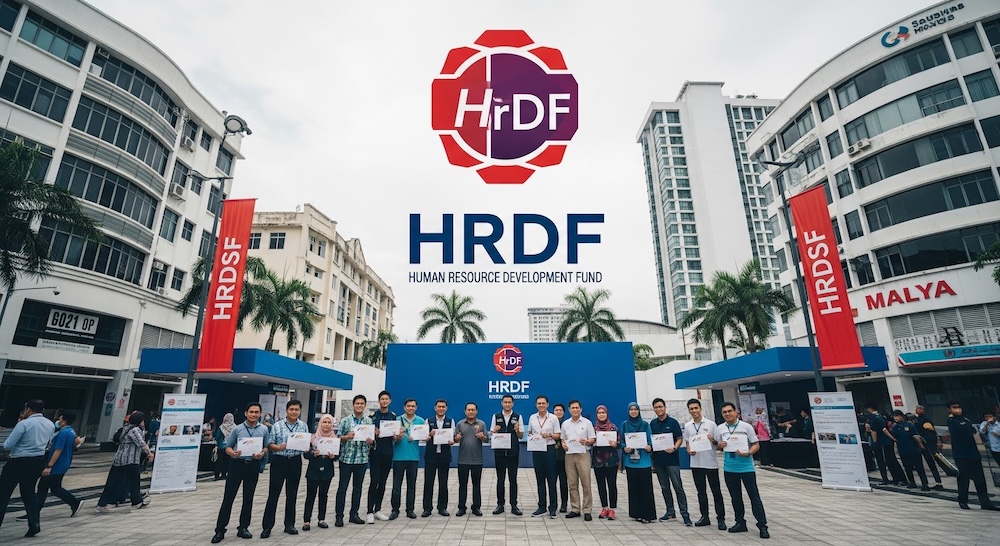
Key Takeaways HRDF (Human Resources Development Fund) helps Malaysian employers claim back costs for approved training programmes to enhance workforce skills. Only HRD Corp-registered employers can apply, and they must follow specific procedures through the eTRiS portal. Claimable expenses include course fees, allowances, transport, and licensed training materials. HRDF supports both physical and virtual training formats, making it adaptable to modern learning needs. Employers must register training in advance, use HRDF-approved training providers, and submit all claims within six months of course completion. Avoid common mistakes such as missing documentation or delayed submissions, which can lead to rejected claims. Thriving Talents, an HRD Corp-registered provider, offers claimable programmes including leadership development, corporate training workshops, and employee skills enhancement. Introduction The Human Resource Development Fund (HRDF) was established in 1993 in Malaysia under the Pembangunan Sumber Manusia Berhad (PSMB) Act 2001. Managed by the HRD Corp under the Ministry of Human Resources, its primary goal is to promote workforce skills enhancement and boost business competitiveness. Thus, it ensures Malaysia’s workforce remains adaptable in an evolving global economy. Despite its strategic value, many stakeholders are not fully aware of its mandate, guidelines, and procedures. For example, the scope of HRDF claimable training and courses available. This blog seeks to bridge this information gap by exploring the underlying procedures for claiming HRD Corp training costs. It also aims to illustrate the vital role of HRD Corp-registered training providers within the HRDF ecosystem. So, let’s get started, shall we? What Is HRDF (Human Resources Development Fund)? The Human Resources Development Fund (HRDF) is a Malaysian statutory body that operates under the Ministry of Human Resources Malaysia. Established under the Pembangunan Sumber Manusia Berhad Act 2001, it’s designed to support the developmental training of employees and apprentices across disparate industries. Principally, the initiative seeks to advance the Malaysian workforce’s global competitiveness and adaptability in an evolving economic landscape. It’s working towards achieving this mandate by providing financial assistance to employers for approved training programs. Companies that contribute to HRDF via its mandatory levy system can claim back the costs of training their employees. For example, expenses related to course fees, allowances, and other approved costs. What is HRDF claimable (HRD Corp Claimable)? The term “HRDF claimable” describes the training costs and associated expenses that employers registered under HRD Corp can submit for reimbursement after conducting authorised training programs for their employees. These claimable expenses could include (but are not limited to): Course fees Employee benefits like daily and lunch allowances Lodging and transportation Consumable training materials Licensed training materials. In practice, this claim-back system incentivises employers to continuously upgrade their workforce’s skills, without bearing the full financial burden. It thereby closes skills gaps and increases productivity across diverse Malaysian sectors. So, how does the HRDF claim work? What does the HRDF refundable process look like? Is HRDF claimable for every sector? Worry not, the subsequent sections will address these burning questions. What is the maximum HRDF claim per day? The type of training and course category determines the maximum HRDF claim per day. For example, employers are eligible to claim up to RM8,000 per group per day for in-house training under HRD Corp Focus Area courses. Furthermore, claims for remote online training are limited to RM2,000 per participant per day for public online Focus Area courses. Additionally, HRDF allows claims for allowances such as meal allowances (up to RM50 per participant per day). For full details and the latest updates on claim limits and allowable costs, refer to the official HRD Corp Employer Circular No. 3/2024. Who is eligible for the HRDF claim? The HRDF claim initiative is a valuable resource for human capital growth. However, not all employers are eligible to make HRDF claims. Only employers registered with the HRD Corp under the Pembangunan Sumber Manusia Berhad (PSMB) Act 2001 are eligible. These employers must meet the specific criteria defined under the Act, whilst also belonging to the industries PSMB covers. For example, employers eligible for registration should have 10 or more Malaysian employees. They should also contribute a monthly levy of 1% of the total monthly wages of their employees. However, employers with 5 to 9 Malaysian employees have the option to register voluntarily, with a reduced levy rate of 0.5%. Note: Entities like federal statutory bodies, NGOs involved in welfare activities, local councils, and state government bodies are exempt from HRDF registration. HRDF guidelines and procedural steps The HRDF claim process is underpinned by several key procedural steps to ensure smooth reimbursement of training expenses. Methodically following these steps ensures compliance with the fund regulations whilst allowing employers to maximise their HRDF benefits. For a detailed step-by-step procedural flow of the HRDF claim process, employers can refer to the official HRD Corp process guide. Step 1: Training selection The first step of training selection starts with employers identifying HRDF claimable courses. These courses are listed on the official HRD Corp program page. During this stage, it’s also imperative to choose an HRDF-registered training provider. For example, Thriving Talents offers HRDF claimable courses like team building. Step 2: Registration Employers who wish to participate in the HRDF scheme and register their selected training courses must register as contributing employers via HRD Corp’s eTRiS platform. This step is mission-critical to streamlining the HRDF course registration and subsequent claim submissions. Step 3: Attend the training As part of HRDF regulations, employees must attend the full training session to qualify for HRDF claims. To substantiate employee attendance, employers should: Document attendance accurately Collect feedback forms Retain all training materials as proof of participation. Detailed guidelines on filling out attendance forms can be found at Guidelines for Form T3 Attendance and PSMB SBL Khas T3-01. Step 4: Claim submission Following HRDF submission guidelines, employers submit their claims via the eTRiS portal after completing the training. To make claim verification seamless, this entails uploading the necessary supporting documentation, such as invoices, attendance logs, and trainer profiles. Step 5: Reimbursement After the claim is validated, the reimbursement is handled and