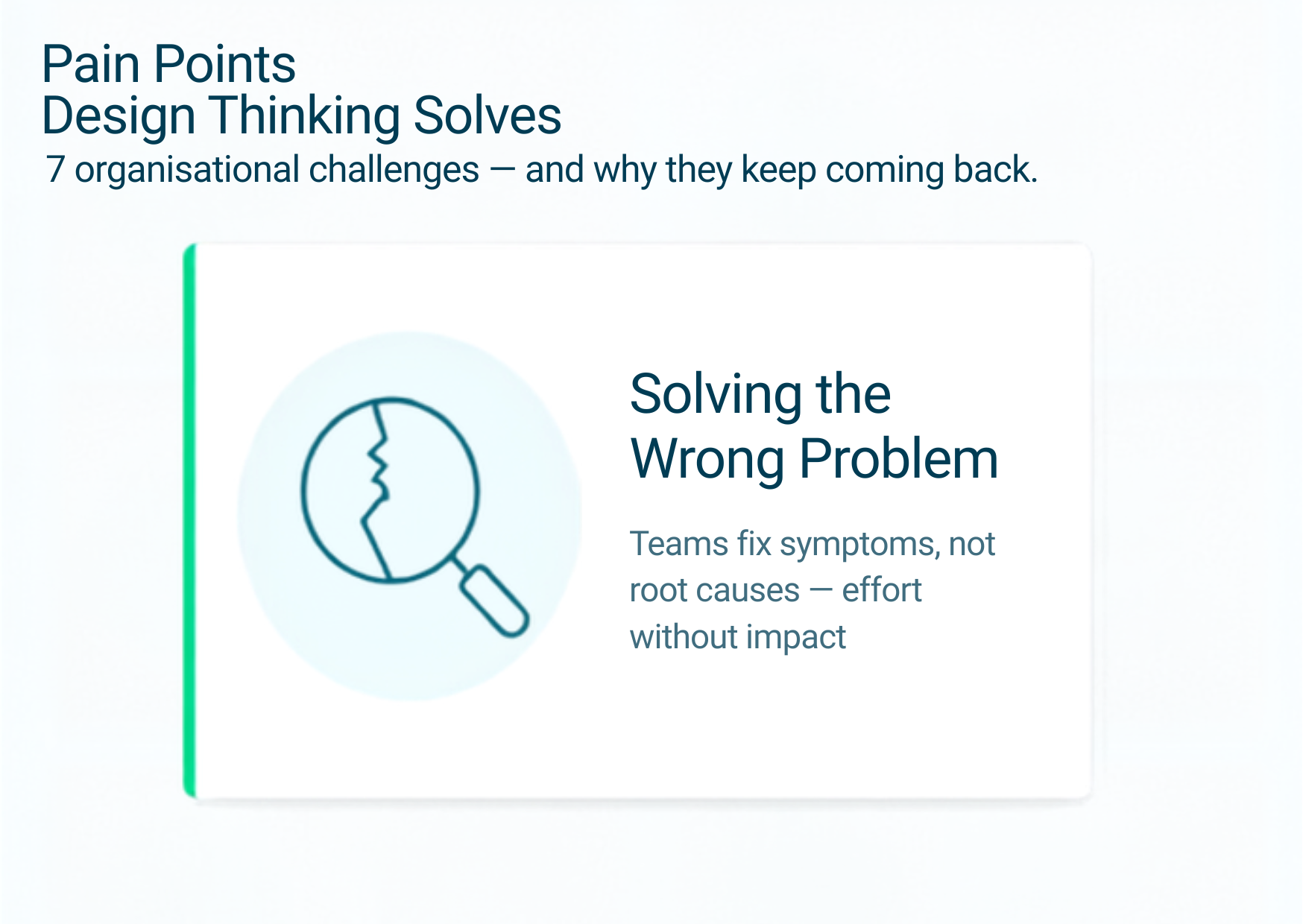
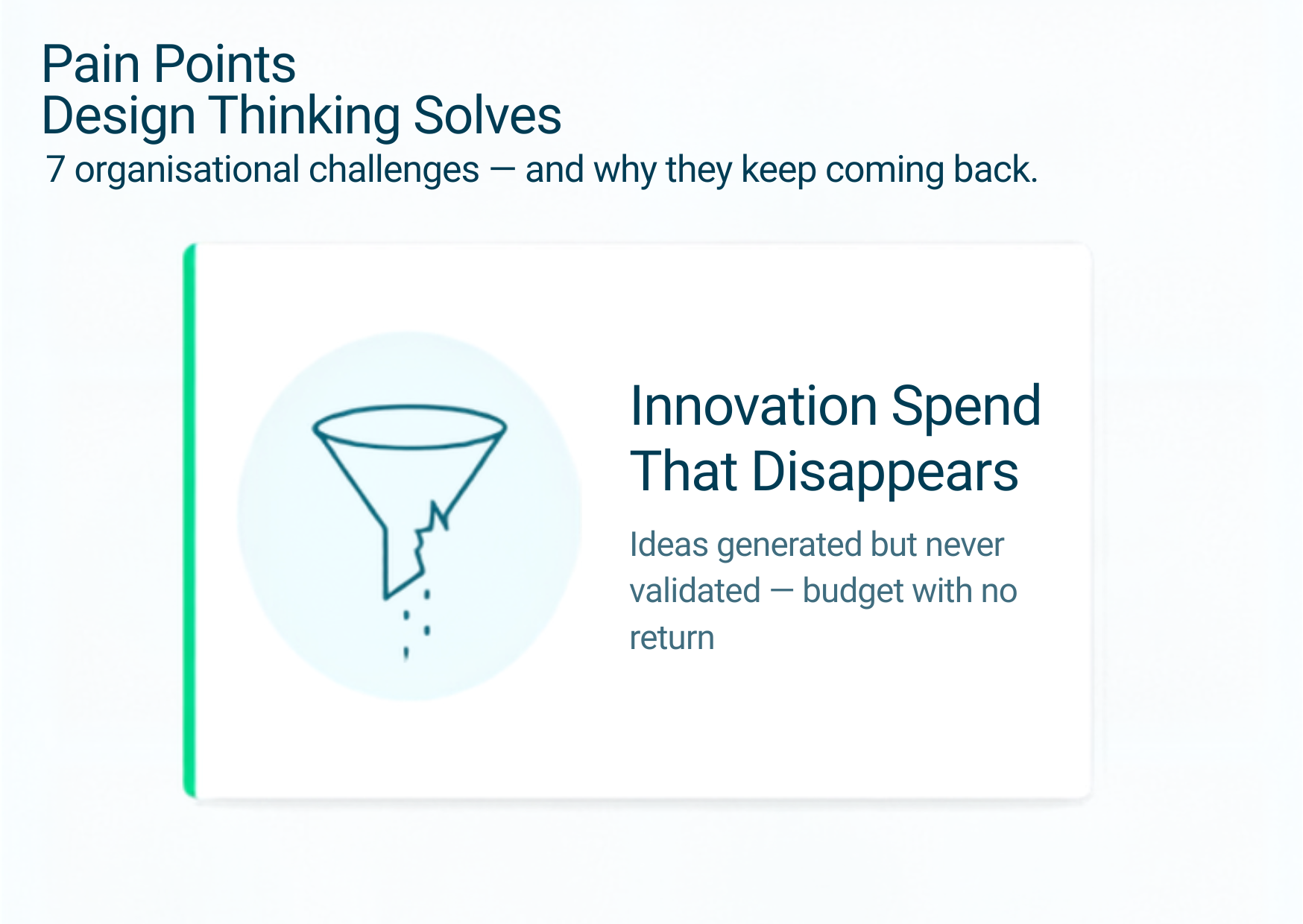
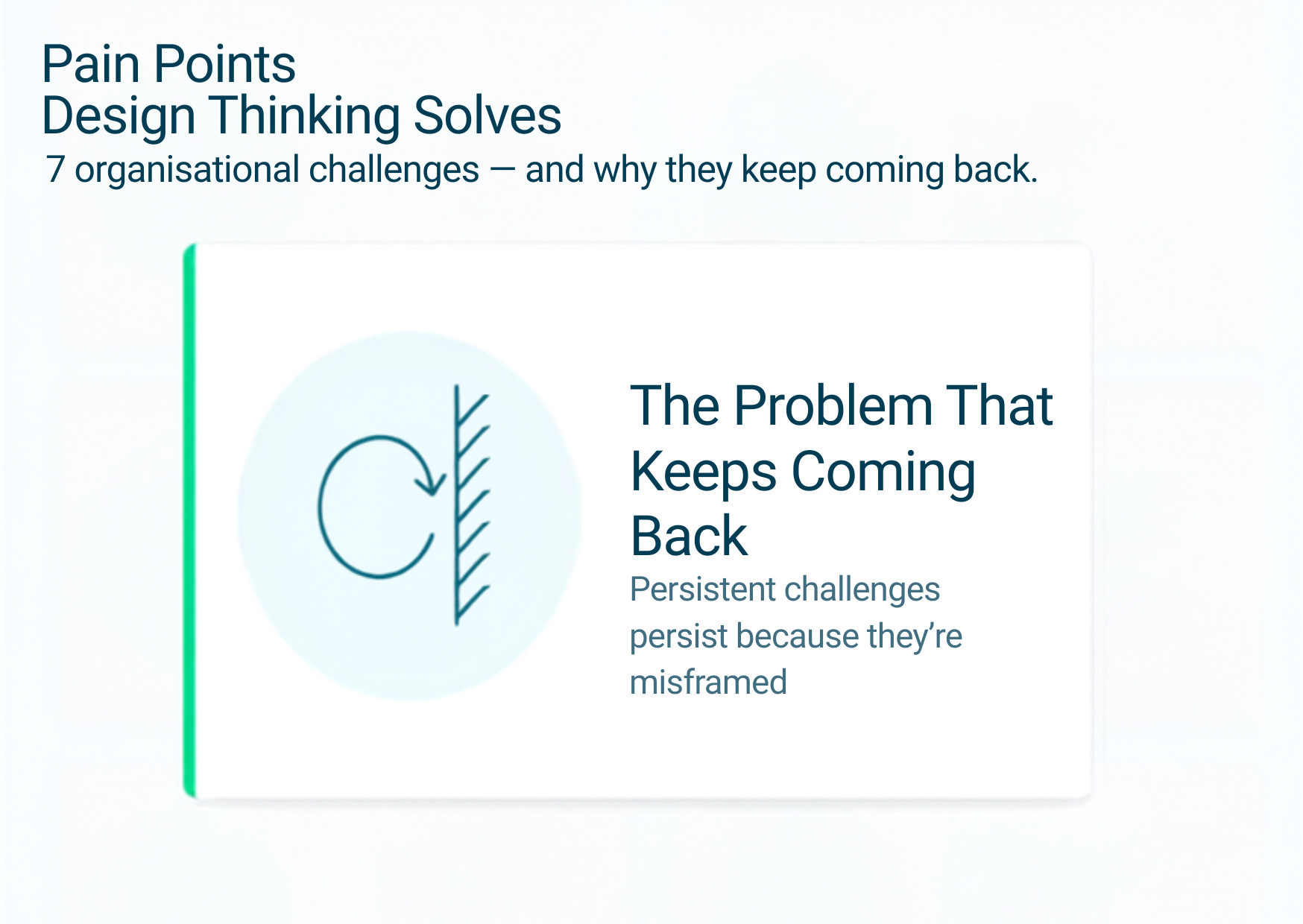
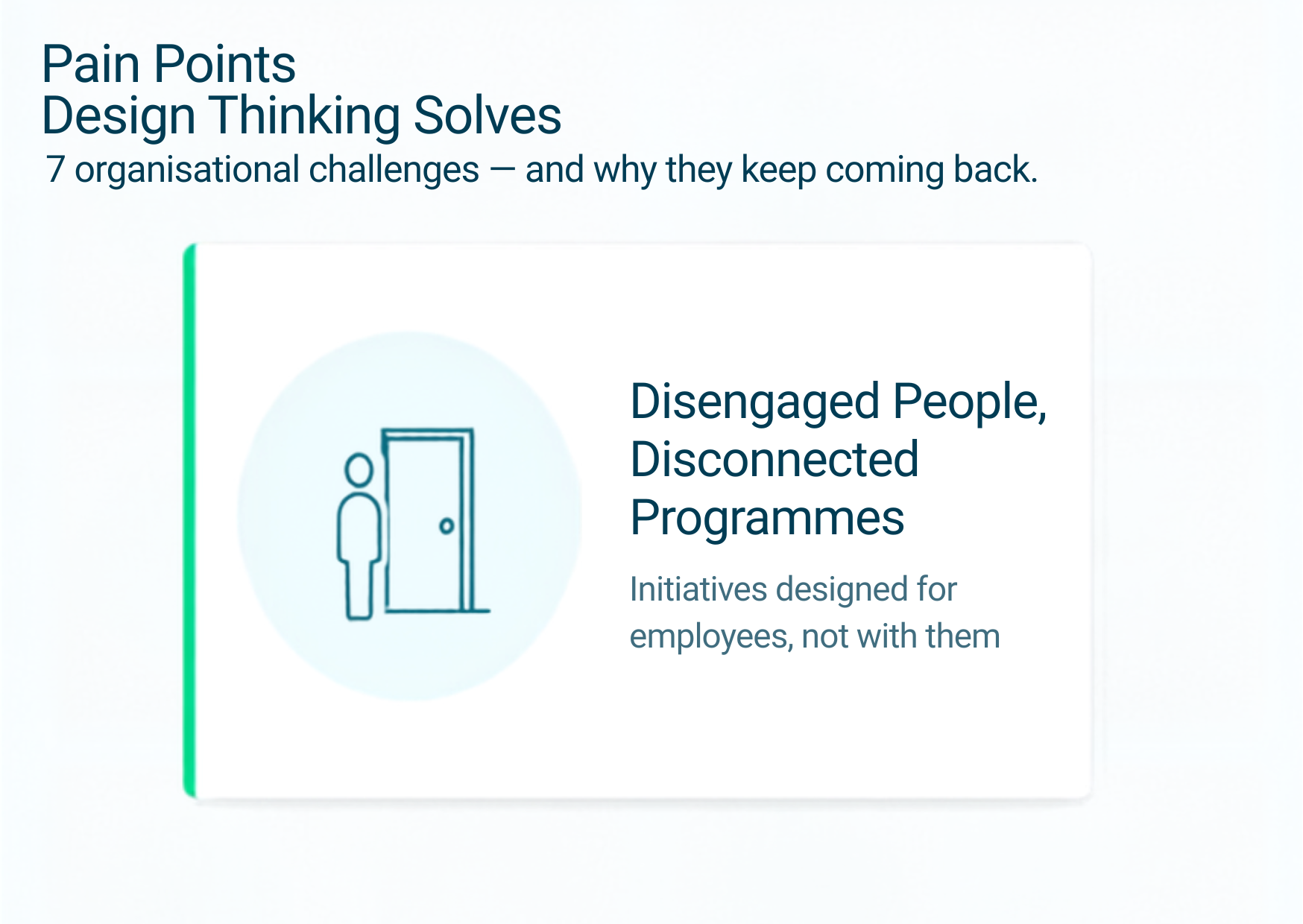
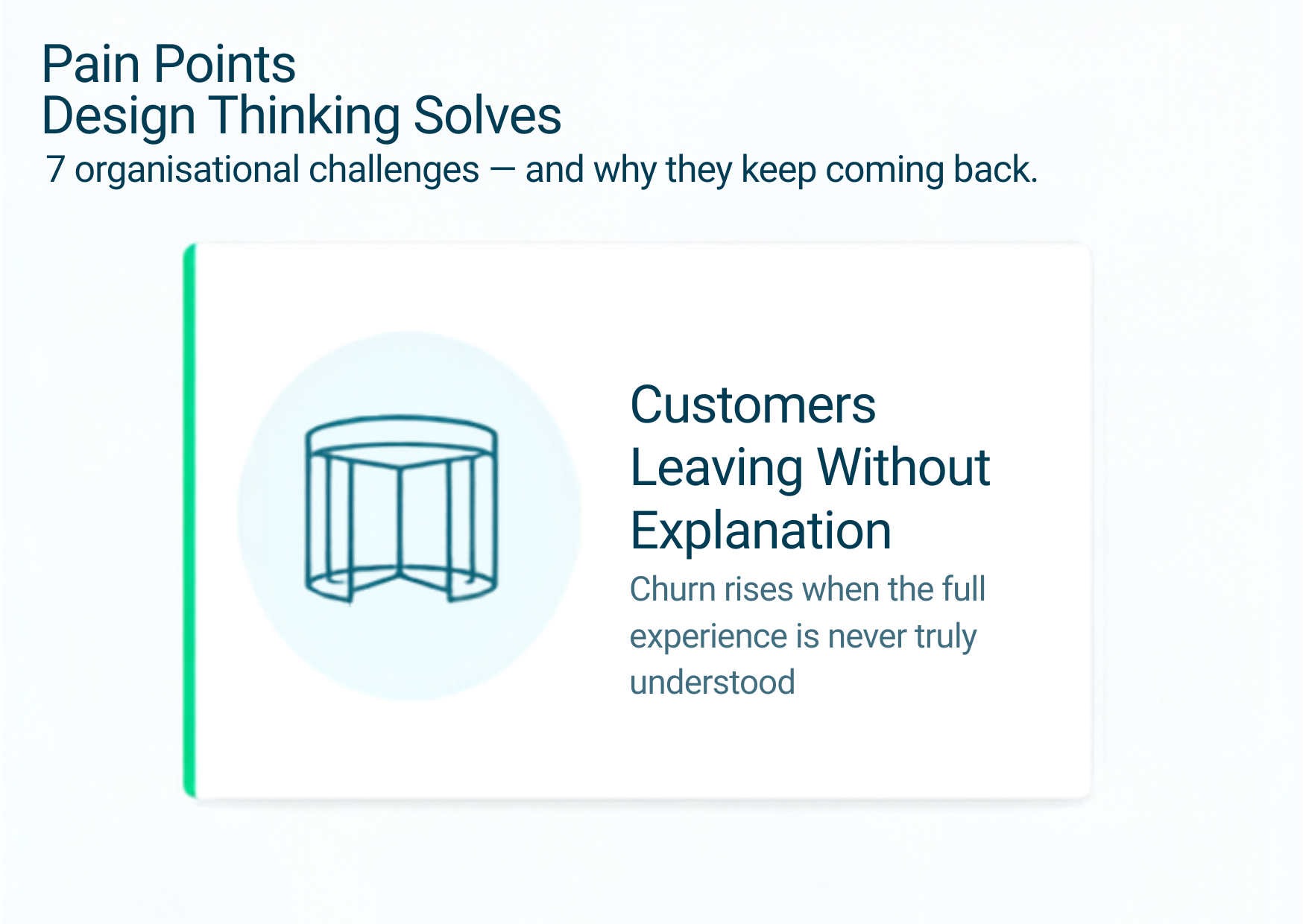
Design Thinking is a human-centred problem-solving methodology, originally popularised by IDEO and Stanford University’s d.school, and now embedded in the operating models of leading organisations across technology, healthcare, financial services, and beyond. At its core, it is built on a simple but profound premise: before you design a solution, you must deeply understand the people it is meant to serve. The methodology moves through five interconnected stages — Empathise, Define, Ideate, Prototype, and Test — but it is not a linear checklist. It is an iterative process designed to help teams uncover the real problem, generate meaningful solutions, test them at low cost, and refine before committing at scale. The result is organisations that move faster with less waste, build solutions that actually land, and develop a culture of structured creativity.
Also read: How to choose the Right Corporate Training Provider?
The Business Case Is Compelling
Design-led organisations consistently outperform their peers. Research shows that companies embedding Design Thinking into their operations outperformed the S&P 500 by 219% over a 10-year period (source: mckinsey.com). Seventy-nine percent of organisations report improved ideation after adoption. IBM documented a 75% reduction in project risk (source: IBM Medium Post). And 71% of organisations that introduced Design Thinking experienced a significant shift in their work culture — not just in output, but in how people collaborate and make decisions (source: Parsons New School). These aren’t abstract numbers. They reflect what happens when teams stop guessing at problems and start investing in understanding them. The methodology pays for itself — not just in better outcomes, but in the waste it prevents. Features that go unbuilt. Initiatives that never need to be relaunched. Strategies that hold because they were grounded in reality from day one.
Why a Customised Programme Makes All the Difference
Many organisations have been exposed to Design Thinking in some form — a one-day workshop, a keynote, a module tucked into a leadership programme. And many walk away impressed but unchanged. The reason is simple: a methodology learned in the abstract doesn’t transform how a team actually works. Real capability change requires the methodology to be applied to your problems, your teams, and your context.
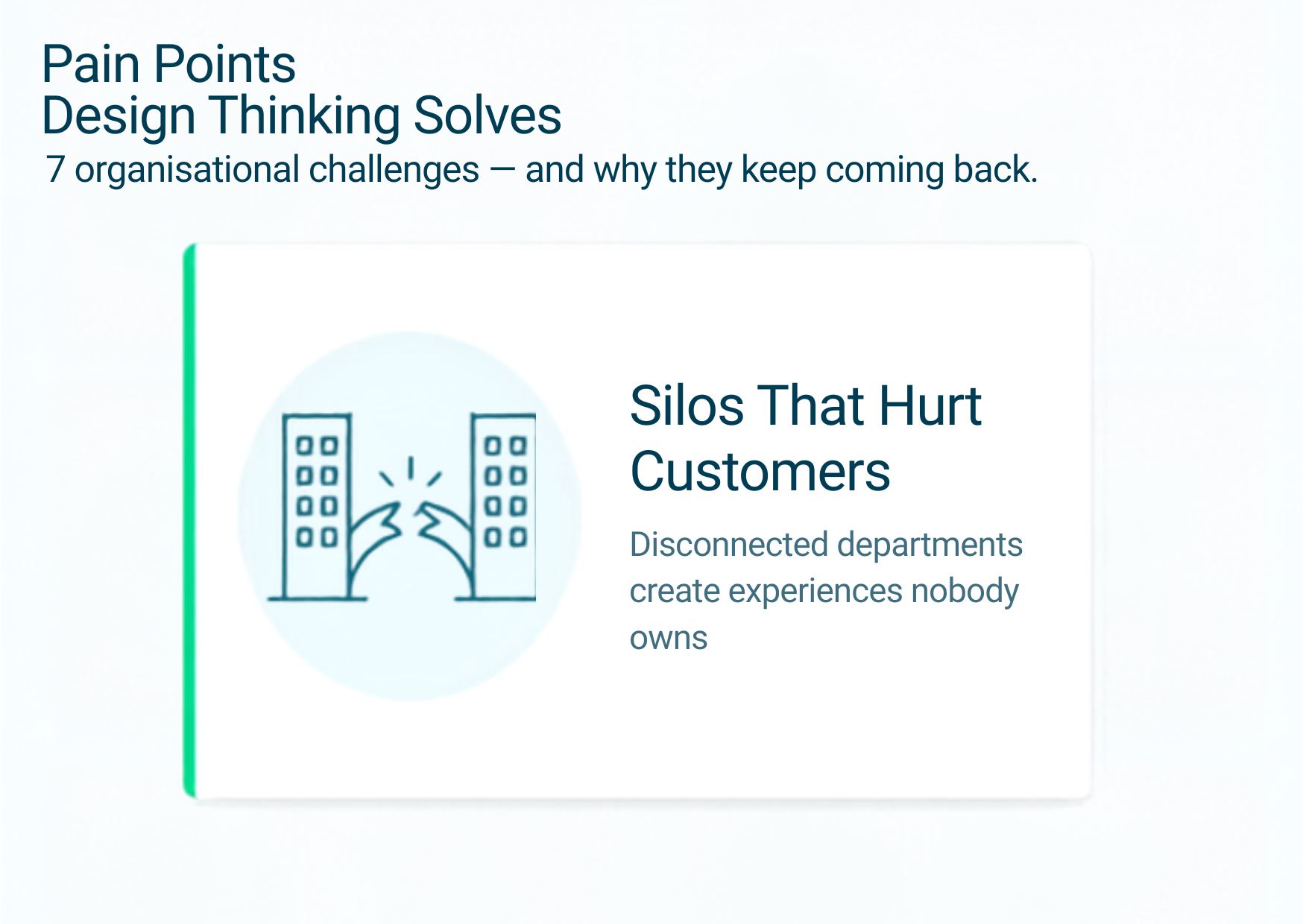
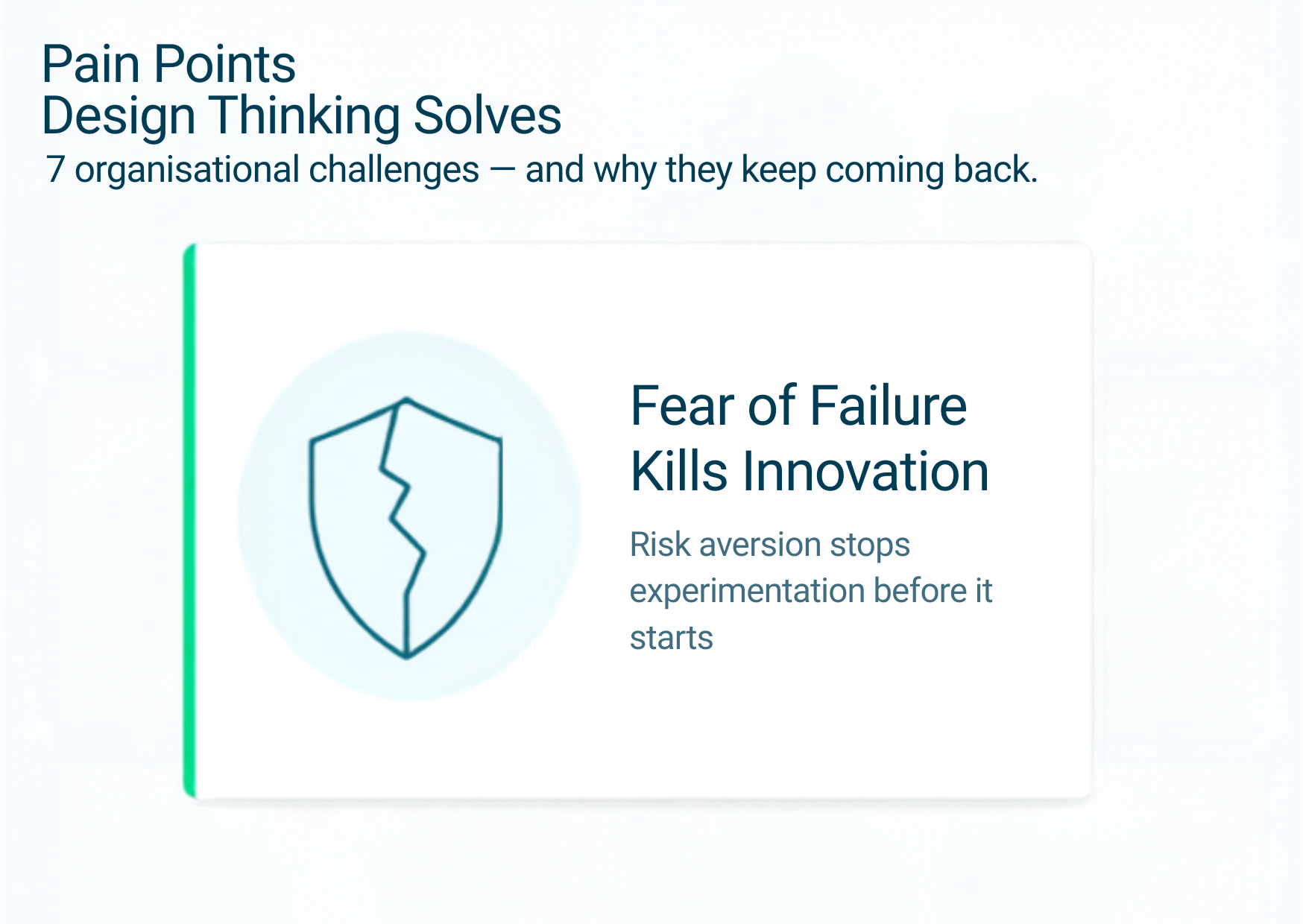
At Thriving Talents, we don’t deliver off-the-shelf workshops. Our approach starts with a diagnostic — understanding where your organisation’s real friction points lie, which teams or functions would benefit most, and what organisational culture factors might support or resist the shift. From there, we co-design a programme built around your actual challenges: the persistent problems, the innovation bottlenecks, the silos that cost you customers. This is what separates a training event from a capability shift. Our network of 60+ expert coaches — with experience across 42 countries and industries including finance, FMCG, retail, healthcare, and logistics — means we can pair the right practitioner to the right challenge, every time.
From Diagnosis to Lasting Impact
The Thriving Talents model doesn’t end at delivery. A Design Thinking programme with us follows a complete arc: we diagnose the challenge, co-design the learning experience with your HR or L&D team, deliver it in a way that connects to real work, and then measure outcomes post-training to ensure the capability is being applied — not just remembered. This matters because the goal is not to create people who understand Design Thinking. The goal is to create teams who use it — who instinctively return to the question before jumping to the answer, who prototype before they build, and who treat user feedback as an asset rather than an inconvenience. That kind of culture change doesn’t happen in a single session. It happens through a structured, supported journey — and that’s precisely what we build with you.
Our programmes are mostly HRD Corp claimable, reducing a common barrier for Malaysian organisations looking to invest in this capability at scale.
Also read: Thriving Talents Success Stories